

Are you curious about the best way to charge your Tesla? With electric vehicles becoming more popular, understanding the nuances of charging can make a big difference in your car’s performance and longevity.
You might be wondering, “Is slow charging better for my Tesla? ” This question is more than just about speed; it’s about optimizing your Tesla’s battery life and efficiency. Imagine having the power to extend your battery’s lifespan while saving money on electricity.
The answer lies in how you charge your vehicle. Dive into this article to discover why slow charging might be the secret to getting the most out of your Tesla, and learn how it can impact your driving experience for the better.
Benefits Of Slow Charging
Slow charging can extend battery life for Tesla vehicles. It reduces heat generation and minimizes wear, keeping the battery healthier. Additionally, it may save energy costs by using off-peak electricity rates, making it a cost-effective choice for Tesla owners.
When it comes to charging your Tesla, you might wonder if slow charging is better. While it might seem inconvenient, slow charging offers several benefits that can make a significant difference over time. Let’s dive into the advantages of slow charging and see how it can enhance your Tesla experience.Impact On Battery Longevity
One of the most compelling reasons to consider slow charging is its positive impact on battery longevity. Fast charging can wear down your battery faster, reducing its lifespan. Slow charging, on the other hand, is gentler on the battery, helping it last longer and maintain its efficiency. Imagine your phone’s battery. Charging it slowly overnight often means a full day of use without quick degradation. Your Tesla’s battery deserves the same gentle treatment for prolonged life.Reduced Heat Generation
Heat is a battery’s worst enemy. Fast charging generates more heat, which can harm your Tesla’s battery in the long run. Slow charging produces less heat, minimizing potential damage and maintaining your car’s performance. Picture sitting by a cozy fire. It’s pleasant at first but can become uncomfortable if it gets too hot. Just like you need to regulate the temperature, your Tesla benefits from slow charging to keep things cool. Are you willing to compromise a few hours of charging for a healthier battery? The trade-off might be worth it when you consider the long-term benefits.Fast Charging Vs Slow Charging
Charging your Tesla can be as much about strategy as it is about convenience. You may wonder, is it better to fast charge your Tesla or opt for slow charging? Each has its merits, but understanding the nuances can help you make smarter choices about your car’s battery life and overall efficiency.
Comparison Of Charging Speeds
Fast charging is incredibly convenient. Imagine you’re on a road trip and need a quick boost to reach your destination. Fast charging can get you back on the road in no time. However, slow charging is often recommended for daily routines, like overnight charging at home. It’s less stressful for the battery and could prolong its lifespan.
Does fast charging wear out your battery faster than slow charging? Some experts say yes. Slow charging is gentle, whereas fast charging can generate more heat, potentially impacting the battery’s health over time. If you’re keen on keeping your Tesla’s battery in top condition, slow charging might be your go-to option whenever possible.
Energy Efficiency Considerations
Fast charging is not just about speed; it’s also about energy consumption. It often requires more power, which can lead to higher electricity costs. Slow charging, on the other hand, uses less power and may save you money in the long run.
Think about your daily routine. If you can charge your Tesla overnight at a slower rate, you might find it more energy-efficient. This approach aligns with sustainable living, reducing your carbon footprint while saving on energy bills.
Have you considered the environmental impact of your charging habits? Slow charging might be the greener choice. By consuming less energy, you’re indirectly contributing to a healthier planet. Your actions matter, and the way you charge your car can be a small but significant step towards environmental responsibility.
So, when you plug in your Tesla, what will you choose? Fast charging for immediate convenience or slow charging for long-term benefits? The decision is yours, but now you’re equipped with the knowledge to make an informed choice.
Tesla’s Battery Technology
Tesla stands at the forefront of electric vehicle innovation. Its battery technology is a key factor. Tesla’s batteries offer impressive range and efficiency. They ensure reliability for long journeys. Understanding the intricacies of Tesla’s battery system is essential. It helps maximize battery life and performance.
Innovations In Battery Chemistry
Tesla continuously improves its battery chemistry. The focus is on enhancing energy density. Higher energy density means more power in smaller sizes. This leads to lighter vehicles with longer ranges. Tesla also explores new materials. These materials aim to increase battery lifespan. Safety remains a priority in Tesla’s designs.
Adaptive Charging Strategies
Tesla employs adaptive charging strategies. These strategies adjust based on battery health. Slow charging can be beneficial. It reduces stress on the battery cells. This can extend the battery’s life. Tesla’s software monitors charging patterns. It optimizes the charging process for efficiency.
User Practices For Battery Optimization
Slow charging can enhance Tesla battery life. This method reduces heat and stress on the battery cells. By adopting slower charging practices, users may prolong their vehicle’s battery performance and efficiency over time.
Optimizing your Tesla battery doesn’t have to be a daunting task. By adopting smart user practices, you can enhance battery life and efficiency. It’s not just about slow charging; it’s about understanding how your habits impact your battery’s health.Charging Habits
Your charging habits play a crucial role in battery optimization. Consider this: charging your Tesla to 90% rather than 100% can significantly prolong your battery’s lifespan. I remember when I first got my Tesla, I was eager to always have a full charge. A fellow Tesla owner advised me to rethink that approach, and it made all the difference. Regular charging, even if it’s just topping up, is better than letting your battery run down to zero. Think of it like feeding your pet—better to give small meals consistently rather than one big meal after a long fast.Monitoring Battery Health
Keeping an eye on your battery’s health is essential. Tesla’s built-in software provides insights into battery performance. Use these tools to check your battery’s status regularly. If you notice any unusual drops in charge or performance, it might be time for a check-up. Just like you wouldn’t ignore a strange noise in your car engine, don’t ignore these signs. Are you aware of the temperature conditions affecting your battery? Extreme temperatures can impact performance, so parking in a garage or shaded area can be beneficial. By integrating these practices into your routine, you’re not just maintaining your Tesla—you’re optimizing it for the long haul. How do you think your charging habits might be affecting your battery’s health?Environmental Impact
Tesla owners often ponder whether slow charging can make a difference in terms of environmental impact. Many of us are passionate about reducing our carbon footprint, and the way we charge our electric vehicles plays a role. As you plug in your Tesla for the night, you may wonder—does slow charging contribute to a healthier planet?
Energy Consumption
Slow charging generally uses less energy, especially during peak hours. This may be surprising, but fast charging can demand a lot of power quickly, leading to higher energy consumption.
Think about your home electronics. Would you keep all devices running at full power all the time? It’s similar with your Tesla. Slow charging allows for more efficient energy use, reducing the strain on the grid.
Imagine how much energy we could save collectively if more people opted for slow charging. The impact could be significant. Could this be your small contribution to a bigger change?
Sustainable Charging Practices
Opting for slow charging can align with sustainable practices. It encourages using renewable energy sources like solar or wind, which are more accessible during off-peak hours.
Consider setting your Tesla to charge overnight when the demand is lower. This simple change can make a big difference. It’s about creating a habit that supports both your vehicle and the environment.
Have you ever thought about how your charging habits can affect future generations? This is an opportunity to make a conscious choice. Slow charging might be a small step, but it can contribute to a sustainable future.
As you contemplate your charging routine, reflect on its environmental impact. Could slow charging be the better choice for both your Tesla and our planet?

Credit: insideevs.com
Cost Implications
When considering how to charge your Tesla, the cost implications are vital. Slow charging might seem counterintuitive, but it can lead to savings in various areas. Understanding these benefits can help you make informed decisions about how you charge your electric vehicle.
Long-term Savings
Slow charging often means using cheaper electricity rates, especially during off-peak hours. This can result in significant savings over time. Imagine waking up to a fully charged Tesla without having spent a fortune on energy costs.
Additionally, reducing the strain on the battery by charging slowly can extend its lifespan. You save money on potential battery replacements down the road. This is a smart way to preserve your investment.
Maintenance Costs
Slow charging is gentler on your Tesla’s battery. A battery that isn’t overworked needs fewer repairs. This translates to lower maintenance costs over the vehicle’s lifetime.
Have you ever faced unexpected repair bills? Slow charging can lessen these surprises. By charging at a leisurely pace, you help avoid wear and tear that might lead to expensive fixes.
Are you wondering if slow charging is worth the wait? Consider the potential savings and reduced maintenance. Your Tesla’s longevity might just thank you for it.
Future Of Charging Technologies
As electric vehicles become more popular, the future of charging technologies is a hot topic. You might wonder how charging methods will evolve and what that means for your Tesla. Charging technology is advancing rapidly, promising more convenience and efficiency. But what does this mean for the slow charging debate?
Emerging Innovations
New charging technologies are on the horizon. Imagine chargers that can optimize energy flow based on your vehicle’s battery health. Some startups are developing wireless charging pads that could eliminate cables entirely. This can make charging as simple as parking your car.
Consider the impact of solar-powered charging stations. These could make charging more sustainable, tapping into renewable energy. Such innovations could redefine slow charging, offering a balance between speed and battery longevity.
Potential Market Trends
As charging technology evolves, market trends shift. You might see more public slow charging stations in urban areas. This could cater to the growing number of Tesla owners living in apartments without private chargers.
Another trend is the rise of smart charging networks. These networks can manage electricity demand dynamically. This means charging could become cheaper and more efficient during off-peak hours. How might this change your charging habits?
Personal experience can offer insights. Picture yourself on a road trip with a Tesla. Slow charging might initially seem inconvenient. But it often results in better battery health, ensuring your vehicle runs smoothly for years. Isn’t that worth considering?
As you think about the future, ask yourself: Is slow charging just a temporary trend or a lasting practice? With technology continuously evolving, your Tesla’s charging options are likely to expand, offering more choices and flexibility.
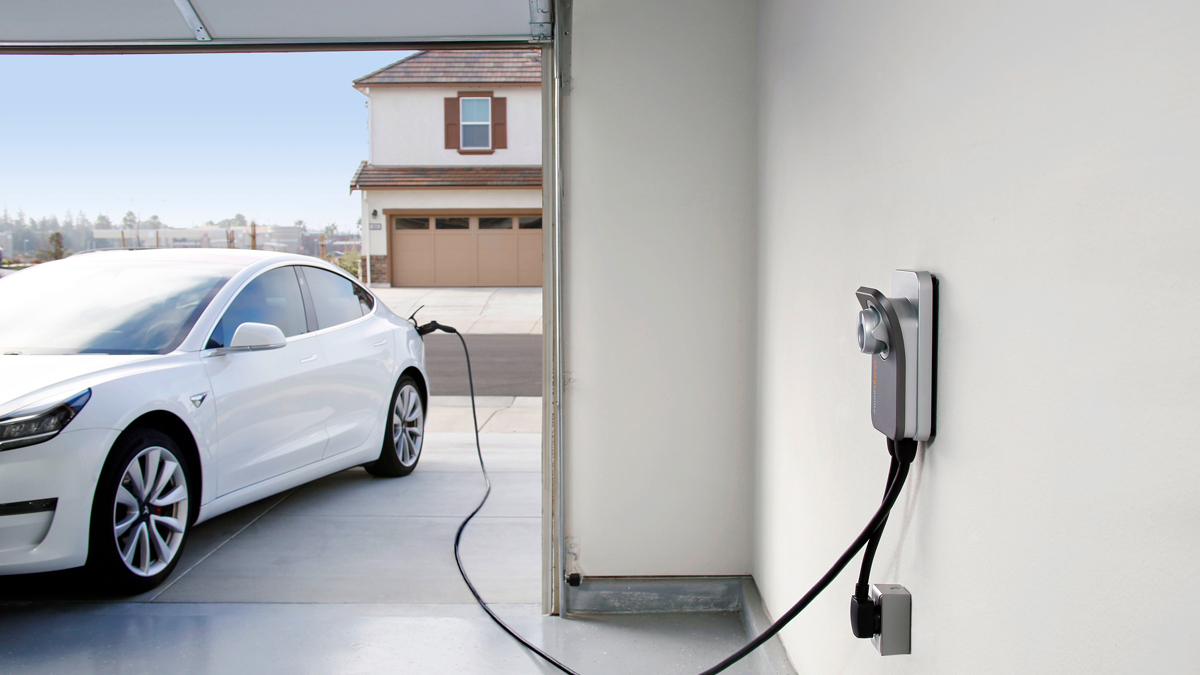
Credit: pimpmyev.com
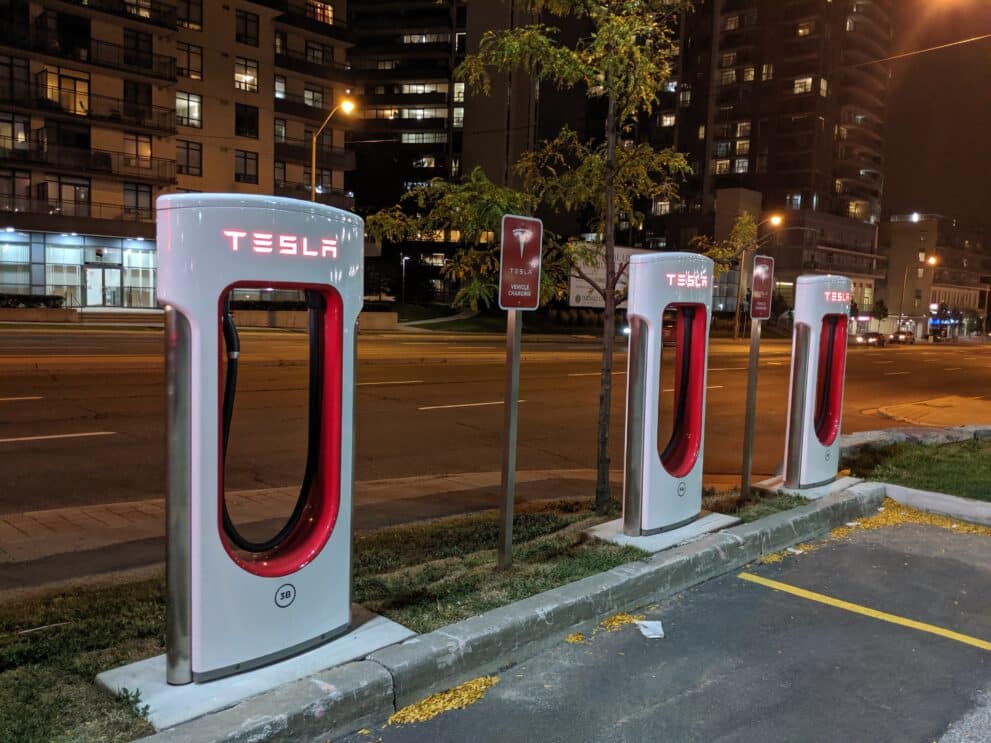
Credit: www.cantechletter.com
Frequently Asked Questions
Is It Better To Charge A Tesla Fast Or Slow?
Charging a Tesla slowly is generally better for battery health. Fast charging can increase heat, potentially degrading the battery over time. Use fast charging for convenience during long trips, but prefer slow charging for daily use to maintain battery longevity.
Is It Better To Fast Charge Or Slow Charge?
Slow charging is better for battery health and longevity. Fast charging can cause heat, reducing battery lifespan. It’s ideal for quick power-ups but not regular use. Slow charging maintains optimal battery performance, ensuring longer device life. Choose slow charging for routine charging to preserve battery efficiency.
What Is The Best Charging Speed For Tesla?
The best charging speed for a Tesla is using a Level 2 charger, offering up to 44 miles of range per hour. Tesla Superchargers provide even faster charging, delivering up to 200 miles in 15 minutes. Optimize charging by using Tesla’s official network for reliability and efficiency.
Is It Better To Charge An Ev Fast Or Slow?
Charging an EV slowly is generally better for battery health and longevity. Fast charging is convenient but can generate more heat, potentially reducing battery lifespan over time. Balance both methods to optimize convenience and battery life.
Conclusion
Tesla owners often wonder about slow charging benefits. Slow charging extends battery life. It reduces heat, keeping the battery healthier. This method is also cost-effective, saving on energy bills. For daily use, slow charging is usually adequate. Fast charging should be reserved for trips or emergencies.
Balancing both methods is key. It ensures your Tesla performs well over time. Remember, each charging style has its place. Choose based on your needs and driving habits. Your Tesla deserves the best care. Happy driving!