

Imagine cruising down the highway in your Chevy Bolt, feeling the thrill of the open road. But suddenly, you realize your battery is running low, and the nearest charging station is miles away.
You spot a Tesla charging station nearby and wonder, “Can my Chevy Bolt use Tesla chargers? ” You’re not alone in this thought. Many Bolt owners find themselves asking the same question, especially when Tesla chargers seem to be everywhere.
This article will dive into the possibilities, the technicalities, and what it means for you and your electric vehicle adventures. Stay with us as we unravel the mystery and help you navigate your charging options with confidence.

Credit: electrek.co
Compatibility Of Charging Systems
Electric vehicles, or EVs, require charging stations to power their batteries. Different car brands use distinct charging systems. This can affect where you can charge your car. Understanding compatibility is essential for EV owners.
Chevy Bolt and Tesla are two popular EV brands. Many people wonder if their charging systems are compatible. Let’s explore this topic further.
Understanding Charging Connectors
EVs have different charging connectors. Chevy Bolt uses a J1772 connector for Level 1 and Level 2 charging. Tesla uses a unique connector for its vehicles. This means the connectors are not directly compatible.
Charging Adapters
Adapters can bridge the gap between different charging systems. Chevy Bolt owners can use adapters to connect to Tesla chargers. This allows the Bolt to charge at Tesla stations.
Tesla Supercharger Network
Tesla Superchargers are fast and efficient. They are designed specifically for Tesla vehicles. Chevy Bolt cannot use Superchargers directly, even with adapters. This is because of network restrictions.
Public Charging Stations
Public charging stations offer an alternative. Many stations support both J1772 and Tesla connectors. This makes it easier for Chevy Bolt owners to find compatible chargers. It ensures more charging options.
Tesla’s Proprietary Connector
Electric cars are changing how we drive. They need charging stations. Tesla cars use a special connector. This connector is unique to Tesla chargers. Many wonder if other electric cars can use these stations. The Chevy Bolt is a popular electric vehicle. Can it use Tesla chargers?
Understanding Tesla’s Connector
Tesla designed its own connector. It’s called the Tesla proprietary connector. This connector fits only Tesla cars. Other electric cars can’t use it directly. This ensures Tesla stations are reserved for Tesla owners.
Chevy Bolt Charging Basics
The Chevy Bolt has a different charging system. It uses the J1772 connector. Most public charging stations support this connector. These stations are widely available. They help keep the Bolt running smoothly.
Compatibility Challenges
The Tesla connector and J1772 are not compatible. They serve different purposes. Tesla stations don’t support J1772 without an adapter. Adapters can be tricky to find. Using adapters might not always be safe.
Chevy Bolt owners have options. Many stations cater to J1772 connectors. These stations are expanding rapidly. Finding a compatible charger is easier than ever. It ensures electric vehicles stay powered on the road.
Chevy Bolt Charging Options
The Chevy Bolt offers various charging options to suit different needs. Whether you’re at home, work, or on the go, there are solutions. Understanding these options helps you keep your Bolt powered and ready for the road.
Home Charging Solutions
Home charging is convenient and cost-effective for Chevy Bolt owners. Use a standard 120-volt outlet, also known as Level 1 charging. This method is slow, taking about 4 miles of range per hour.
For faster charging, consider installing a Level 2 charger. This requires a 240-volt outlet, similar to a dryer plug. Level 2 charging provides up to 25 miles of range per hour.
Public Charging Stations
Public charging stations are widespread and accessible for Chevy Bolt users. Many offer Level 2 chargers, ideal for quick top-ups during errands. Simply plug in and continue your day.
Some stations provide Level 3 chargers, known as DC Fast Chargers. These can charge your Bolt significantly faster, adding up to 100 miles in 30 minutes.
Charging Networks Compatibility
Chevy Bolt can use several charging networks, broadening your options. Networks like ChargePoint and EVgo are popular choices. They offer numerous charging stations across the country.
Using a compatible app, locate nearby stations easily. Enjoy seamless charging experiences with these widespread networks.
Using Tesla Chargers
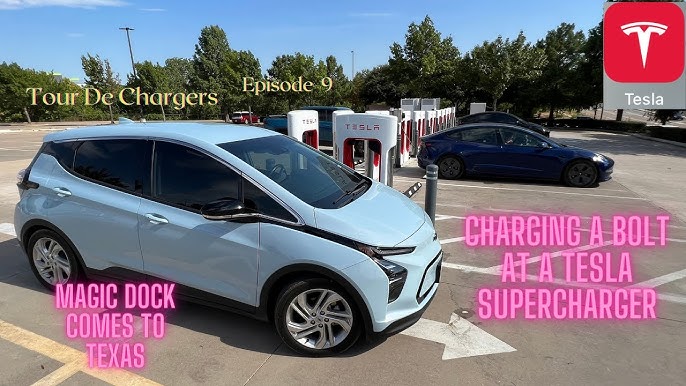
Officially, Tesla chargers are not directly compatible with Chevy Bolt. Tesla uses a unique connector exclusive to its vehicles. However, adapters are available in the market. These allow non-Tesla EVs to access Tesla Destination Chargers.
It’s important to note, these adapters might not work with Tesla Superchargers. Always verify compatibility and safety before using any adapter.
Credit: www.youtube.com
Adapters And Modifications
Chevy Bolt owners often wonder about using Tesla chargers. Through adapters and modifications, it’s possible to connect the Bolt to Tesla stations. This setup can enhance charging options, offering convenience for electric vehicle enthusiasts.
Adapters and modifications can be a game-changer if you’re looking to charge your Chevy Bolt at a Tesla station. While Tesla Superchargers are known for their fast charging capabilities, they’re not directly compatible with non-Tesla vehicles. However, with the right adapters, you can tap into this network. This section will guide you through the possibilities and limitations of using Tesla chargers for your Chevy Bolt.Understanding The Adapter Options
To use a Tesla charger, you need an adapter. The most common option is the J1772 adapter, which allows non-Tesla cars to connect to Tesla’s destination chargers. These are found at hotels, shopping centers, and other public locations. Tesla’s Supercharger network, however, does not support direct adapter use for non-Tesla vehicles. This is due to both hardware and software restrictions. It’s crucial to check which type of Tesla charger you’re dealing with before attempting to charge your Bolt.Are Modifications Worth It?
Some Chevy Bolt owners consider modifying their vehicle’s charging system to use Tesla Superchargers. This involves complex changes and can void warranties. The costs and potential risks often outweigh the benefits. Instead, focus on available charging networks like EVgo or ChargePoint. These are compatible with your Bolt and offer fast charging options without the need for risky modifications.Personal Experience: A Cautionary Tale
I once met a fellow EV enthusiast who modified his Chevy Bolt to access Tesla chargers. Initially, it seemed like a brilliant solution. However, he soon faced technical issues and lost manufacturer support. This taught me the importance of sticking with manufacturer-approved solutions. Adapters offer limited options, but they ensure your vehicle stays safe and under warranty.What About Charging Speed?
Charging speed is a significant consideration. Tesla chargers are known for their rapid charging capabilities. However, using a J1772 adapter limits you to Level 2 speeds, which are slower than Superchargers. For faster charging, explore DC fast chargers designed for your Chevy Bolt. They provide the speed you need without compromising your vehicle’s safety or warranty.Is It Right For You?
When deciding whether to use Tesla chargers, ask yourself: Is the convenience worth the potential risks? Adapters can be helpful for occasional use, but they’re not a perfect solution. Consider your charging habits and the availability of other charging networks in your area. Sometimes the best option is the simplest one, ensuring your vehicle remains safe and reliable. By understanding these aspects of adapters and modifications, you can make an informed decision about charging your Chevy Bolt at Tesla stations. Always prioritize safety and warranty considerations to keep your EV experience smooth and enjoyable.Technical And Safety Concerns
Considering the technical and safety concerns is vital for using Tesla chargers with a Chevy Bolt. Both vehicles have different charging systems and connectors. This incompatibility creates challenges that require attention.
Technical Differences Between Tesla And Chevy Bolt
Tesla chargers use a proprietary connector. Chevy Bolt uses a standard CCS connector. This difference means direct charging is impossible without adapters. Adapters can bridge this gap but may not always be reliable.
Safety Concerns With Using Adapters
Adapters can pose safety risks. Incorrect usage can lead to overheating. Overheating might damage the car’s battery. Using non-compatible equipment increases the risk of electrical faults.
Charging Speed And Efficiency
Tesla chargers offer fast charging. Chevy Bolt’s system is designed for slower charging speeds. Using Tesla chargers with adapters might affect efficiency. The Bolt’s battery could degrade faster.
Warranty And Manufacturer Guidelines
Manufacturers may void warranties if non-approved chargers are used. Always check guidelines before charging. Following manufacturer’s instructions ensures safety and maintains car health.

Credit: insideevs.com
Industry Trends And Future Developments
Chevy Bolt owners explore compatibility with Tesla chargers amid evolving charging infrastructure. Compatibility challenges arise due to different connector designs. Industry developments may lead to more universal charging options, promising better accessibility.
As the electric vehicle (EV) market continues to grow, industry trends and future developments shape how we charge our vehicles. The compatibility between different charging networks, like Chevy Bolt using Tesla chargers, is a hot topic. Both automakers and consumers are eagerly watching how this landscape evolves.Emerging Trends In Charging Infrastructure
The EV charging infrastructure is rapidly evolving. More charging stations are being installed across cities, highways, and rural areas. With companies like Tesla opening some of their Supercharger networks to other EVs, compatibility is improving. Chevy Bolt drivers are keen to know if they can use Tesla chargers. While Tesla’s proprietary connectors have been a barrier, adapters are starting to bridge this gap. This trend signifies a shift towards a more unified charging ecosystem.Standardization Efforts
There’s a growing push for standardized charging systems. Industry leaders are realizing that compatibility can drive EV adoption. By making chargers universally accessible, it simplifies travel for all EV owners. This movement is not just about convenience. It’s about ensuring that drivers like you can confidently plan long-distance trips without worrying about finding the right charger. Imagine a future where you can plug your Chevy Bolt into any station, just like filling up at any gas station today.Technological Advancements
Advancements in charging technology are making things faster and more efficient. High-speed charging stations are becoming more common, reducing wait times significantly. This is crucial for busy individuals who value their time. Future developments might include wireless charging or even solar-powered stations. Imagine charging your Chevy Bolt without plugging in, or utilizing renewable energy sources. These innovations could redefine how you think about refueling your vehicle.Manufacturer Collaborations
Automakers are increasingly collaborating to enhance charging accessibility. Partnerships between companies like Tesla and other manufacturers could lead to shared networks. This cooperation can greatly benefit Chevy Bolt owners seeking diverse charging options. Such collaborations can also foster innovation, leading to better products and services for you. They demonstrate a commitment to customer satisfaction and environmental sustainability. What if these partnerships became the norm rather than the exception?Consumer Influence On Future Developments
Your choices and preferences are powerful. As a consumer, your demand for accessible and efficient charging solutions can drive industry change. Manufacturers are listening and adapting to meet these needs. Consider joining forums or discussions about EV charging. Your voice can influence future policies and product developments. What changes would make your EV experience better? The future of EV charging is exciting and full of potential. By staying informed and engaged, you can be part of this transformative journey. How will you contribute to the evolution of the EV charging landscape?Consumer Perspectives
Chevy Bolt owners often wonder about using Tesla chargers. Compatibility challenges arise due to different charging connectors. Adapters might offer a solution, bridging the gap between these popular electric vehicles.
When considering the use of Tesla chargers with a Chevy Bolt, consumer perspectives play a vital role. Many electric vehicle enthusiasts are curious about compatibility and the experiences of fellow drivers. These shared insights offer practical advice and real-world scenarios that help potential users make informed decisions.Understanding Compatibility
Chevy Bolt owners often wonder about the compatibility of their vehicles with Tesla chargers. You might have seen Tesla Superchargers at convenient locations and thought, “Can I use this for my Bolt?” The answer involves understanding the technical differences and adapters available.Experiences From Bolt Owners
Many Bolt owners have shared their experiences online about using Tesla chargers. Some have successfully used third-party adapters to connect their Bolt to Tesla’s Level 2 Destination Chargers. However, others have faced challenges, primarily with Superchargers, which are not compatible without significant modifications.Cost Considerations
There’s a cost aspect to using Tesla chargers with your Bolt. While adapters make it possible, they come with an extra expense. Weighing the price of adapters against the convenience of Tesla’s widespread charging network is essential.Convenience Vs. Compatibility
The convenience of Tesla’s extensive network is undeniable. However, you must consider whether the effort and cost of making your Bolt compatible are worth it. Is the ease of finding a charger more valuable than sticking with Chevy’s recommended charging solutions?Community Insights
Engaging with the electric vehicle community can provide invaluable insights. Many forums and social media groups are filled with tips, tricks, and firsthand experiences. Have you ever asked a fellow EV owner about their charging experiences? Their stories might lead you to a solution you hadn’t considered.Making Informed Decisions
Ultimately, your decision to use Tesla chargers with a Chevy Bolt should be informed by both research and firsthand accounts. Consider what other drivers have shared and think about your own needs. Would you prefer the ease of using a single network, or are you comfortable exploring multiple options? The consumer perspective on using Tesla chargers with a Chevy Bolt is varied and insightful. While technical hurdles exist, the community’s shared knowledge can guide you in making the best choice for your charging needs. What’s your take on this topic? Would you go the extra mile for convenience, or stick with the tried-and-true?Alternative Charging Solutions
In the world of electric vehicles, charging solutions play a pivotal role in your driving experience. If you own a Chevy Bolt, you may be wondering if you can tap into Tesla’s extensive charging network. While direct compatibility isn’t available, there are alternative charging solutions that can enhance your EV journey.
Imagine you’re on a road trip, and the usual charging station is unexpectedly out of service. It’s a scenario many EV owners dread. But fear not, there are other options. Exploring these can help you plan better and avoid charging anxiety.
Compatibility Concerns
You might have seen Tesla’s sleek Superchargers and wondered if your Chevy Bolt can use them. Unfortunately, the connectors are different. Tesla uses a proprietary charging connector that doesn’t fit GM vehicles.
However, adapters are available that promise compatibility. Before investing, research thoroughly. Some adapters can be unreliable or may not deliver the charging speed you expect.
Public Charging Networks
There are several public charging networks designed specifically for non-Tesla vehicles. Networks like ChargePoint, EVgo, and Electrify America provide numerous locations across the country.
These networks offer fast-charging stations and often have apps to help you locate nearby chargers. Check their coverage in areas you frequently visit or travel through.
Home Charging Stations
Installing a home charging station can be a game-changer. It provides convenience and peace of mind, allowing you to start each day with a full battery.
A Level 2 home charger is recommended for faster charging. It might be an investment upfront, but it saves time and effort in the long run. Have you considered installing one?
Regional Charging Networks
Some regions have their own charging networks, tailored to local needs. If you live in an area with such a network, it can be a reliable alternative.
These networks often collaborate with utility companies to provide incentives. It’s worth checking if there are any deals or rebates available to you.
Community Initiatives
Community-driven charging stations are becoming more common. They can be found in public parking areas, shopping centers, and even hotels.
Next time you’re out, keep an eye out for signs indicating community chargers. They’re a testament to how communities are embracing EVs.
Alternative charging solutions offer flexibility and peace of mind. By exploring various options, you ensure a smoother driving experience with your Chevy Bolt. Which solution fits your lifestyle best?
Frequently Asked Questions
Can You Use A Tesla Charger On A Chevy Bolt?
Tesla chargers are not directly compatible with a Chevy Bolt. You need an adapter for charging. Ensure the adapter is suitable for your specific Bolt model. Consider using standard EV chargers designed for the Chevy Bolt to avoid compatibility issues.
Can Chevy Use A Tesla Charger?
Chevy vehicles can use Tesla chargers with an adapter. Tesla’s proprietary connector requires a compatible adapter for non-Tesla EVs. Ensure your Chevy supports the adapter and charging specifications. Always check compatibility for efficient charging.
Can I Use A Tesla Charger On My Chevy Volt?
Tesla chargers are not compatible with the Chevy Volt. Chevy Volt uses a J1772 charging port, while Tesla uses a proprietary connector. You need an adapter or a different charging station to charge your Chevy Volt. Ensure compatibility to prevent damage and charge effectively.
How To Charge A Chevy With A Tesla Charger?
Use a Tesla to J1772 adapter to connect your Chevy to a Tesla charger. Ensure the adapter is compatible. Plug the Tesla connector into the adapter, then connect the adapter to your Chevy’s charging port. Always check the charger’s settings and compatibility with your vehicle before charging.
Conclusion
Chevy Bolt owners face charging challenges with Tesla stations. Compatibility issues persist. Adapters can help, but they are not always reliable. Safety and warranty concerns also arise with non-standard charging. Exploring local charging options is wise. Public networks often offer solutions.
Research before investing in adapters. Always prioritize safety. Charging infrastructure is evolving. Keep updated with latest developments. Manufacturers may address compatibility in future models. For now, consider all options. Make informed decisions. Enjoy your Chevy Bolt responsibly.